
Materials
Barnstone Plant
From 2006 the Plant has built on its reputation for innovation and development by investing in state of the art machinery and market-leading products.
Many proto type packing machines have had their first operational trials at Barnstone and have been refined to operation standards at the Plant.
All products produced at the Plant are hermetically sealed into plastic waterproof bags making them easy to store and robust to handle. The packaging is specially designed to minimise mess and wastage.
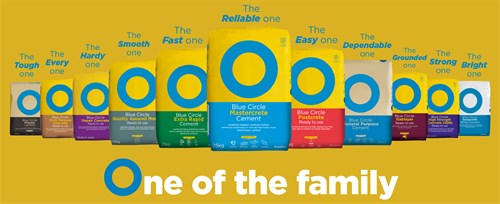
The majority of the products are of the blended variety. This means the correct mix of ingredients are brought together, blended and then packed off into a range of packaging and sizes depending on customer demand.
VAt present the plant produces a range of 26 products - each one tailored to specific customer requirements.
Quality and consistency of product are vital; therefore, there is a high-tech laboratory on-site where research, development and quality testing are carried out.
The newest market offering is selected Barnstone products packaged in tubs. This range is particularly suited to small repair jobs where only small quantities of product are required.
What Barnstone delivers for customers
Operates 4 specialist packers which produce a comprehensive range of products.
Our products
Our products at Barnstone include:
- Postcrete
- Multipurpose concretes
- Extra Rapid
- Quick repair concretes
- High strength concretes
- Micro cements
- Mastercrete (multi sized bags)
Regulation and Governance
We have certificates for:
- ISO14001:2015 Environmental
- Management
- ISO50001:2011
- ISO9001:2008
- OHSAS18001:2007
- BES:6001
Our operation is strictly regulated by Rushcliffe Council.
History of cement
Cements were used as far back as Mesopotamia in the third millennium B.C., and were made from lime, sand, and gravel. It was also used in ancient Egypt to help create the great pyramids, and in Rome to create the Pantheon and aqueducts.
Today, making cement is an innovative and high-tech process. It involves the processing and reaction of the raw materials at high temperatures in cement kilns. The cement manufacturing process requires extremely high temperatures which consume about ten times more energy than the average amount required by other manufacturing processes.
Employing waste-derived materials as alternative fuels has greatly helped the cement industry to manage its environmental impact. Today, many plants derive a proportion of their energy from waste-derived fuels such as scrap tyre chips and processed sewage pellets.

Innovation
At Tarmac we combine the knowledge and expertise of two of the construction industry’s most iconic brands: Tarmac, the pioneers of the modern road and Blue Circle the company that patented Portland Cement.
With over 150 years’ experience, we have many innovative achievements to our name: the invention of asphalt, a product that remains synonymous with our brand; the construction of the first motorway; the introduction of next-generation concretes and cements.
These breakthroughs all helped to shape the world we live in. Now we are working to help reshape it. Across our business, the wider supply chain and our research partners, we are looking at new ways to enhance productively, reduce carbon and value engineer efficiencies – whilst driving more sustainable construction.